

New to Open Enough Design? Read Start Here to discover how your room can make accidental connection the default.
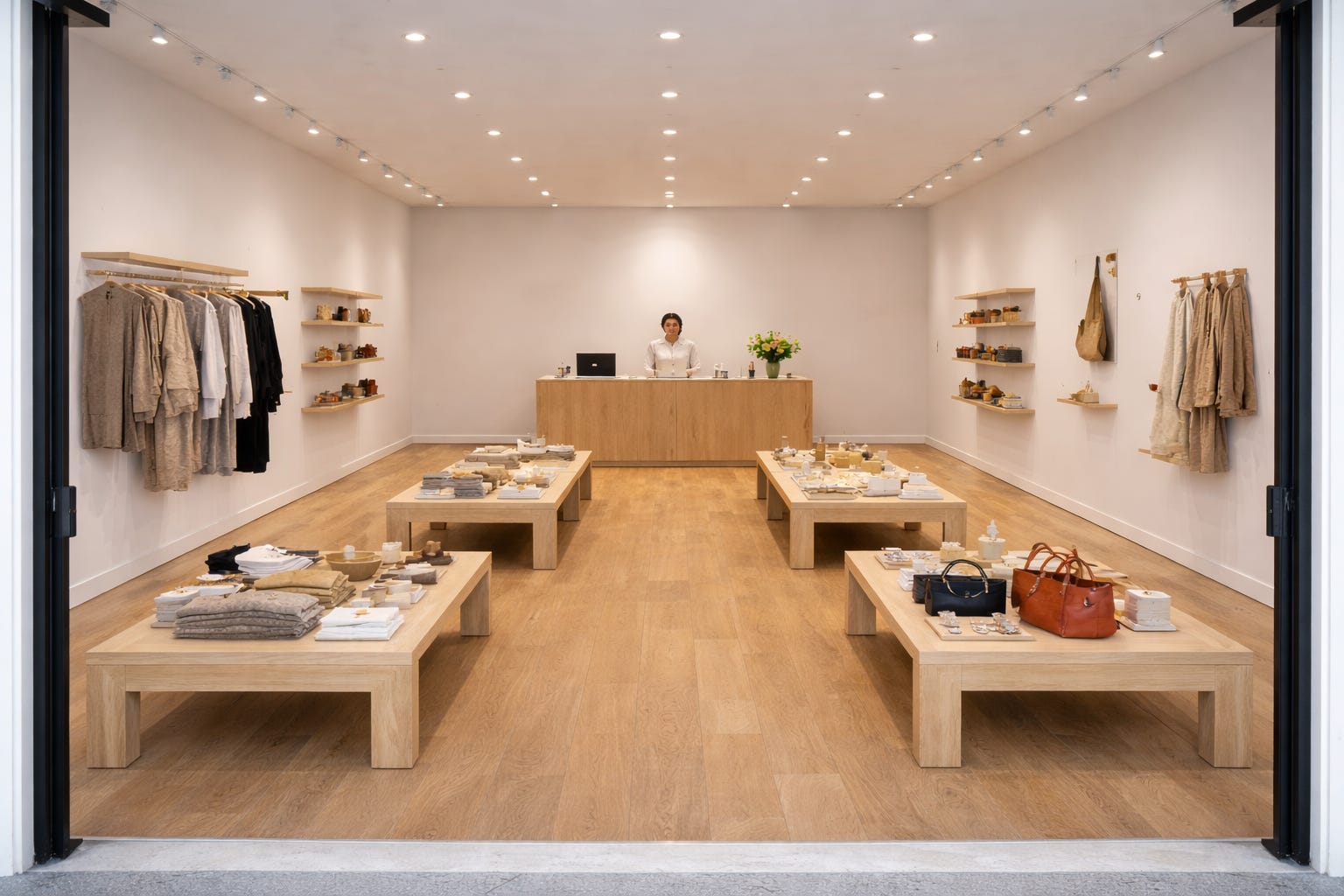
This boutique looks inviting, doesn’t it? The lighting is soft. The inventory is perfectly curated. The owner is standing behind the register with a warm smile, ready to help. But watch the actual customer behavior. People open the door, take two steps inside, freeze, and leave within thirty seconds. The beautiful merchandise stays on the shelves.
What the Room Is Currently Saying
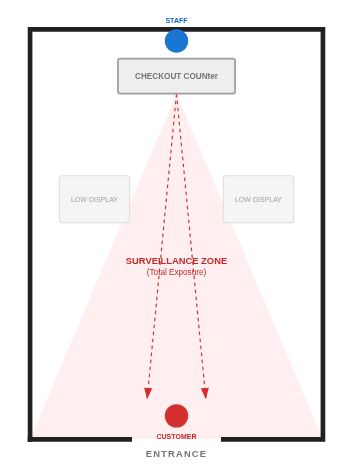
The room is arranged around surveillance geometry. The layout is perfectly open. There are no tall displays or physical partitions to break up the sightlines. The moment a customer crosses the threshold, they enter a direct sightline from register to door. The room is telling the customer that they are on stage. This layout offers only two choices: total exposure or total retreat. There is no low-commitment zone in between. The geometry demands an immediate social performance.
The OED Read
This is a total collapse of the Regulation lever. From the perspective of prospect-refuge theory, the power dynamic in this room is completely backward. The staff member has perfect refuge and perfect prospect. The customer has zero refuge and total exposure. Lisa Feldman Barrett’s predictive processing framework explains what happens next. The customer’s nervous system predicts an imminent, high-stakes sales conversation. The body decides the autonomic cost of browsing under surveillance is simply too heavy. The brain budgets its energy by prompting an immediate exit. The room is beautiful but socially expensive.
The Fix
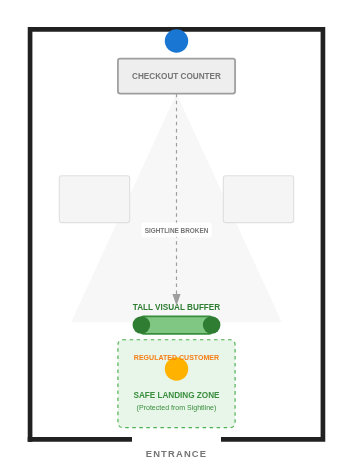
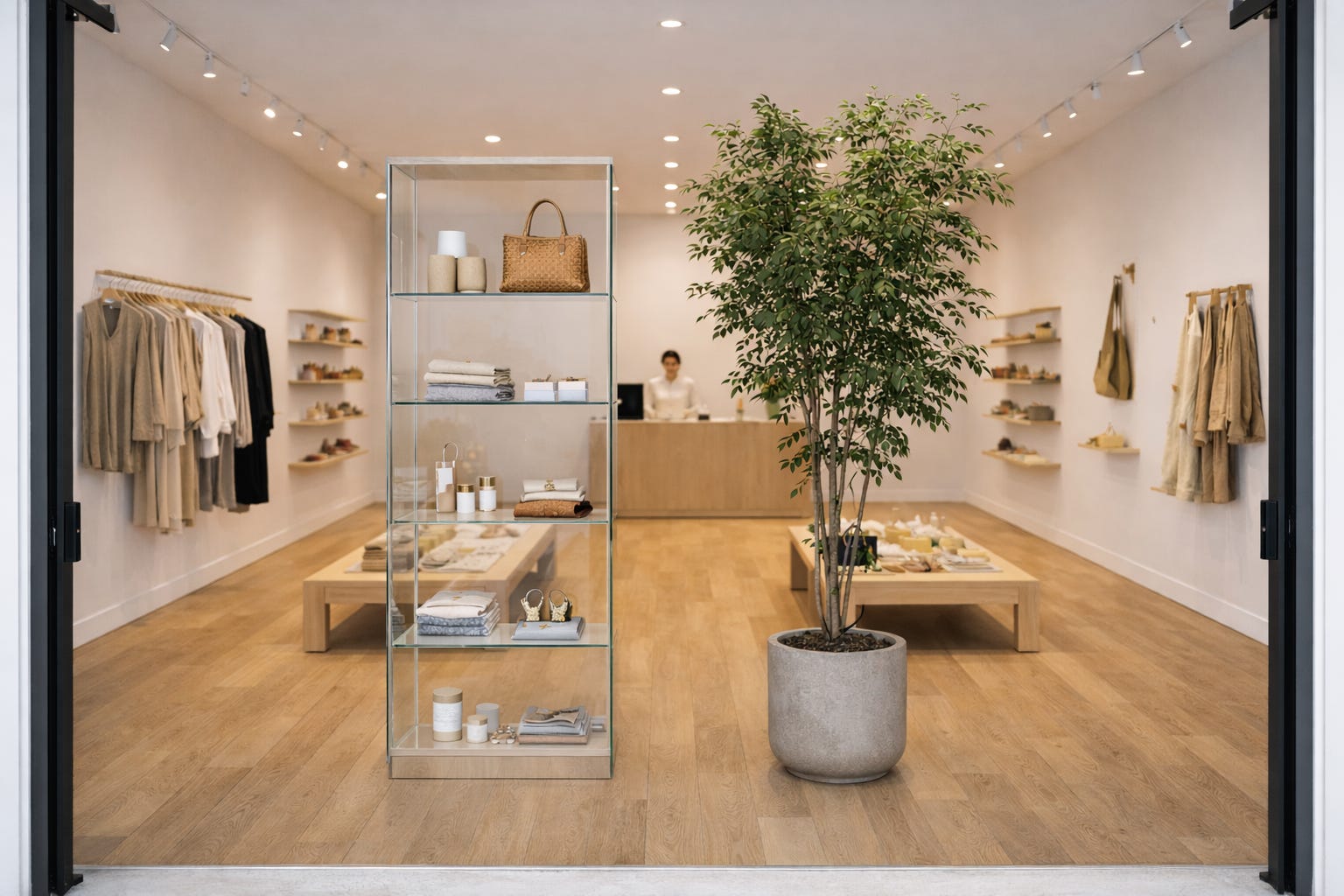
Do not tear down the walls or redesign the checkout counter. The fix is about creating a visual buffer. Place a slightly taller display rack, a mannequin, or a large potted plant exactly three feet inside the front door and slightly off-center. This creates a tiny, immediate zone of refuge. It gives the arriving customer a physical shield to hide behind for just a few seconds while they survey the room on their own terms.
Business Implication
In retail, dwell time is the single highest predictor of conversion. When an environment spikes cortisol, dwell time drops to zero. By lowering the spatial friction at the entrance, you give the arriving customer a few seconds to regulate before the social field fully activates. A calm nervous system stays in the room. A calm nervous system picks up objects. Longer browsing leads directly to higher revenue.
The Scene
A nervous shopper steps inside, instinctively tucks behind the new floral display for five seconds to take a breath without being seen, and then confidently spends the next twenty minutes exploring the racks.
Your room is already telling people whether to stay or go. Most owners never hear it.
For $97, I’ll tell you exactly what it’s saying, why, and what to move to change the message. You get a full written diagnosis within a week. No renovation, no new furniture, no guesswork. Order now.